How to write personalized LinkedIn outreach messages that get responses
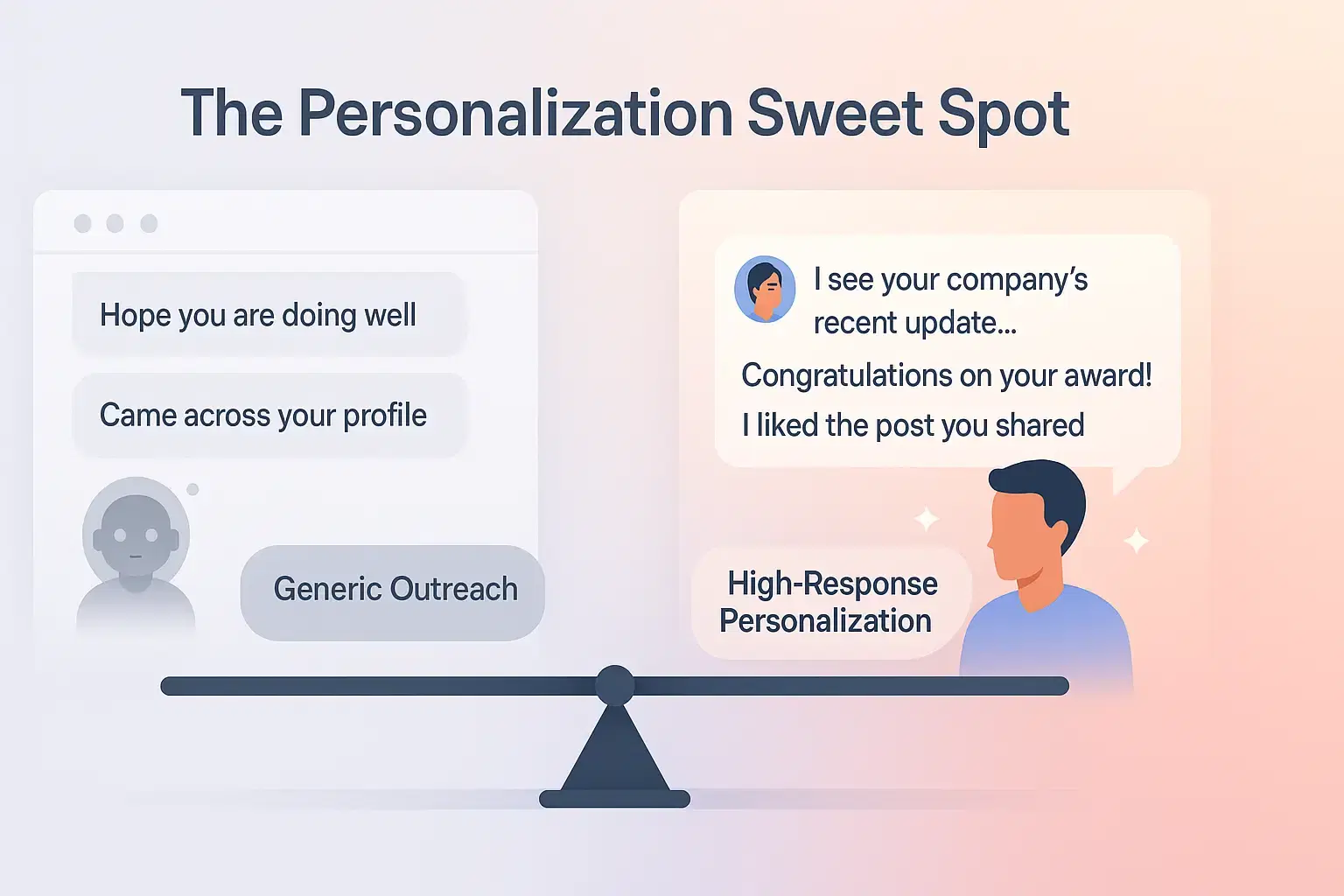
Personalized LinkedIn outreach messages generate 35-55% acceptance rates compared to just 18-25% for generic connection requests.
The key is combining psychology-backed personalization with structured messaging frameworks that address specific pain points without sounding robotic.
Why Most LinkedIn Messages Fail (And How to Fix It)
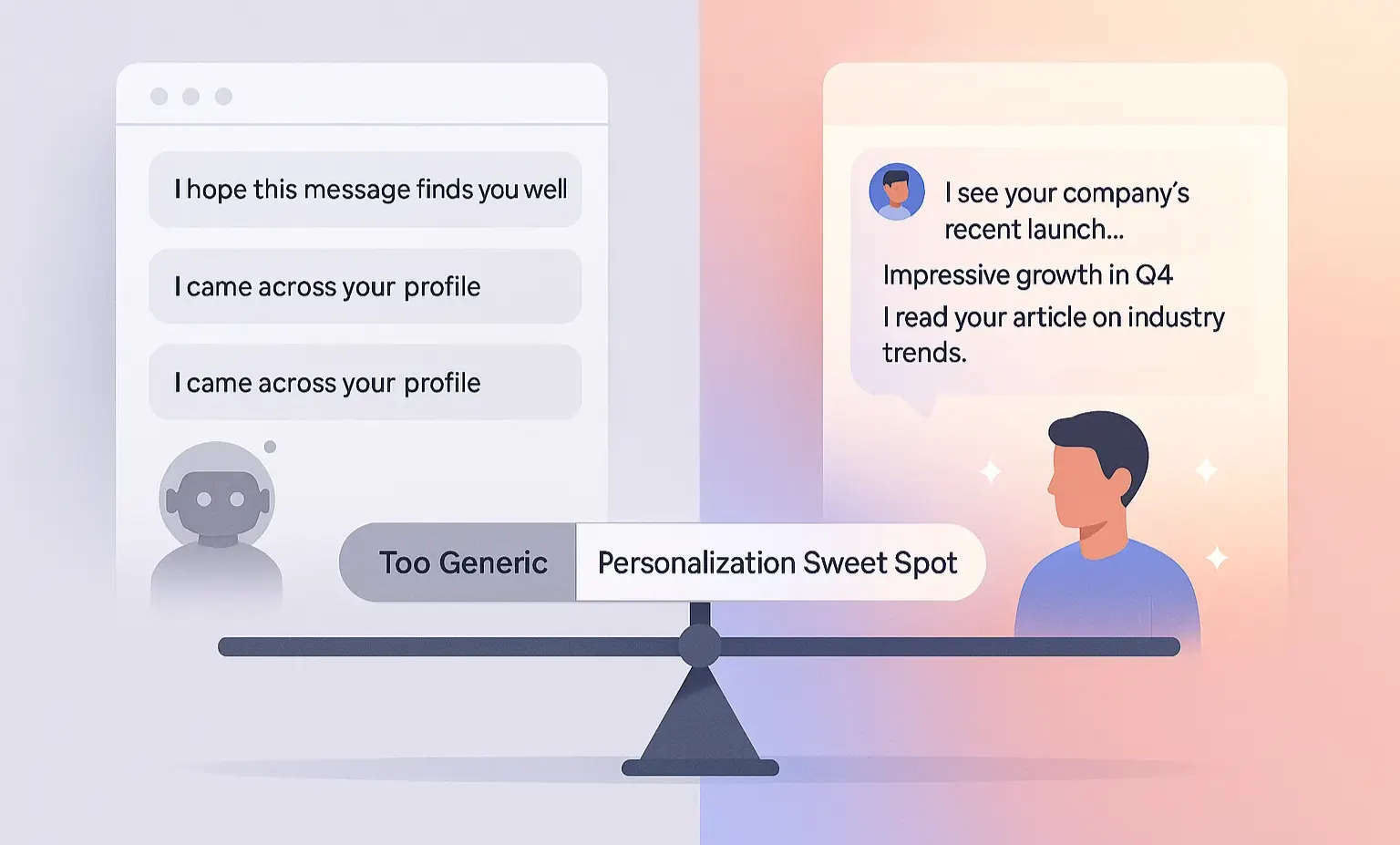
Your prospects receive dozens of connection requests weekly.
Most sound identical, starting with "I hope this message finds you well" or "I came across your profile".
These phrases scream automation and get ignored, which is why LinkedIn automation safety focuses on mimicking human behavior
The psychology is simple. When someone mentions specific details about your company , your brain registers the message as individually crafted. This triggers the principle of perceived importance and reciprocity, making you far more likely to respond
This triggers the principle of perceived importance, making you far more likely to respond.
But here's the catch. Too much personalization backfires. Referencing someone's detailed personal information feels creepy rather than thoughtful.
The sweet spot includes:
- Recent company news or achievements
- Industry-specific challenges
- Mutual connection references
- Role-specific pain points
Keep it professional and based on publicly available information.
The AIDA Framework for High-Converting Messages
1. Attention: Breaking Through Pattern Recognition

Your opening line determines everything. It must immediately differentiate your message from generic pitches.
Pattern interrupts that work:
- "Quick question about your Atlanta expansion..."
- “Curious to hear your perspective on how the new data-privacy updates are reshaping things.”
- “Your post about managing remote sales teams sparked a thought I wanted to share…”
Avoid corporate speak like "Hope you are doing well" or "I came across your profile."
These phrases instantly signal automation.
According to a 2025 study of 16,492 LinkedIn connection requests, 21% of all acceptances happen within the first 60 minutes, driven primarily by mobile notifications.
2. Interest: The Value-First Approach
Once you have their attention, prove you understand their world. Interest isn't about your company. It's about their challenges and goals.
Effective interest-building techniques:
- Reference recent industry developments
- Share insights about their market position
- Demonstrate understanding of their role challenges
- Provide context showing business knowledge
Remember, prospects don't care about your credentials yet. They care about whether you understand their problems.
3. Desire: Creating the Curiosity Gap
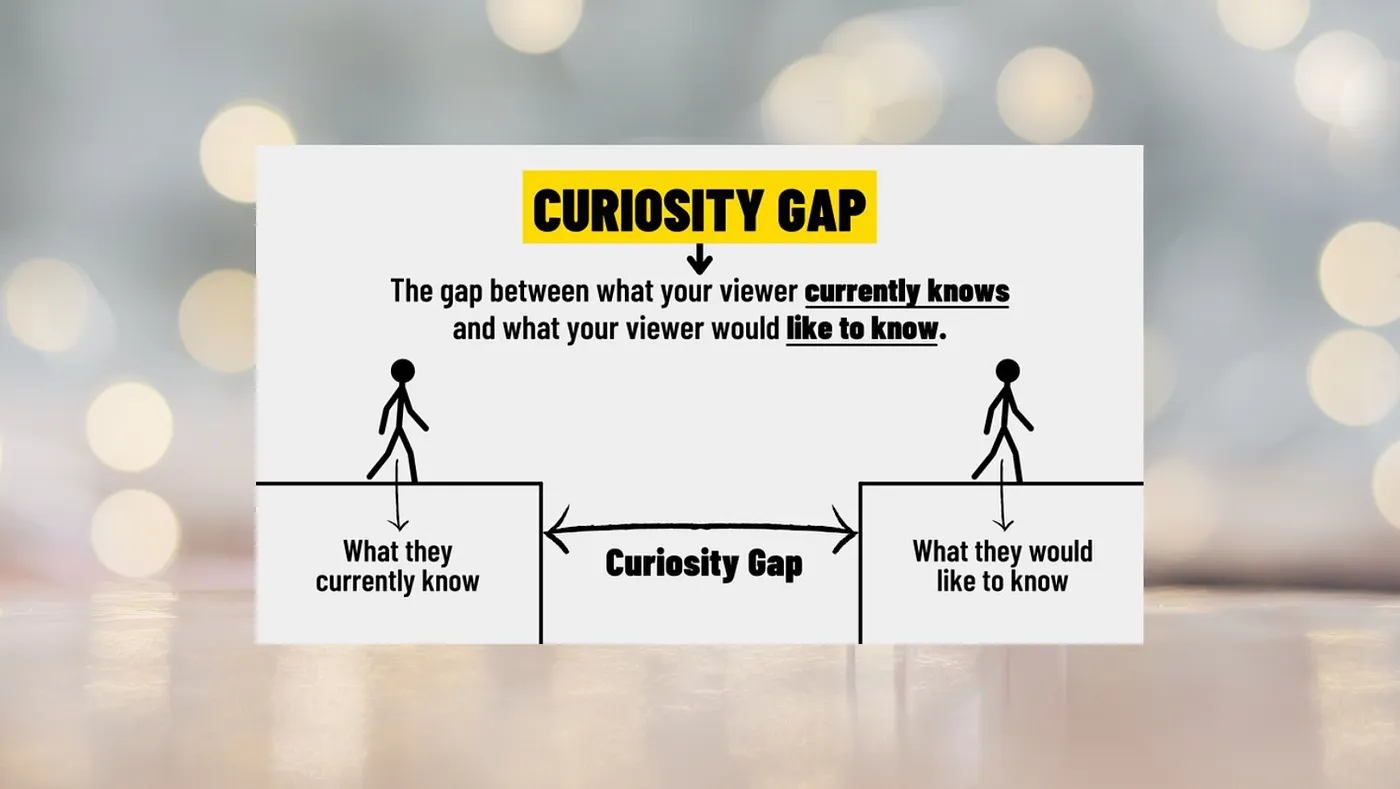
Ever notice how cliffhangers keep you watching TV shows? The same psychological principle works in LinkedIn outreach.
- Instead of: "Can I help you increase sales by 20%?"
- Try: "Noticed something interesting about your Q3 strategy that most SaaS companies in your space are missing."
This creates psychological tension that demands resolution. Your brain wants to close the loop and discover what's missing.
4. Action: Low-Commitment CTAs
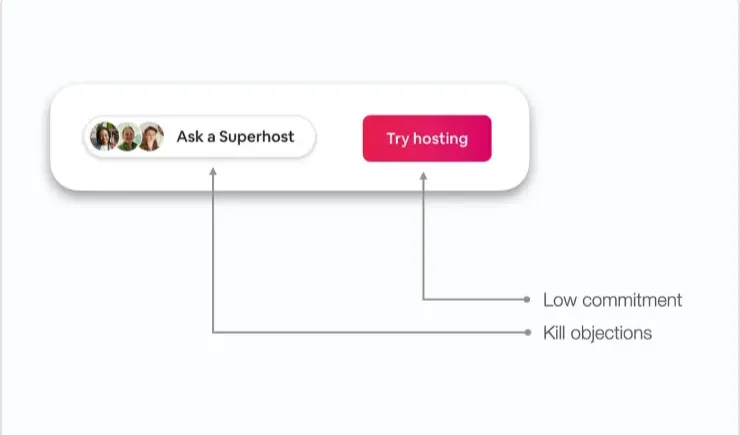
Your call-to-action should feel effortless. This is especially important when you're automating LinkedIn messages at scale.
High-converting CTAs:
- "Worth a brief chat to explore this?"
- “Would you be up for a short 15-minute chat sometime next week?”
- "Would you be open to a short discussion on this?"
Avoid anything that sounds time-intensive or sales-heavy. You're starting a conversation, not closing a deal.
5-Step Personalization Framework
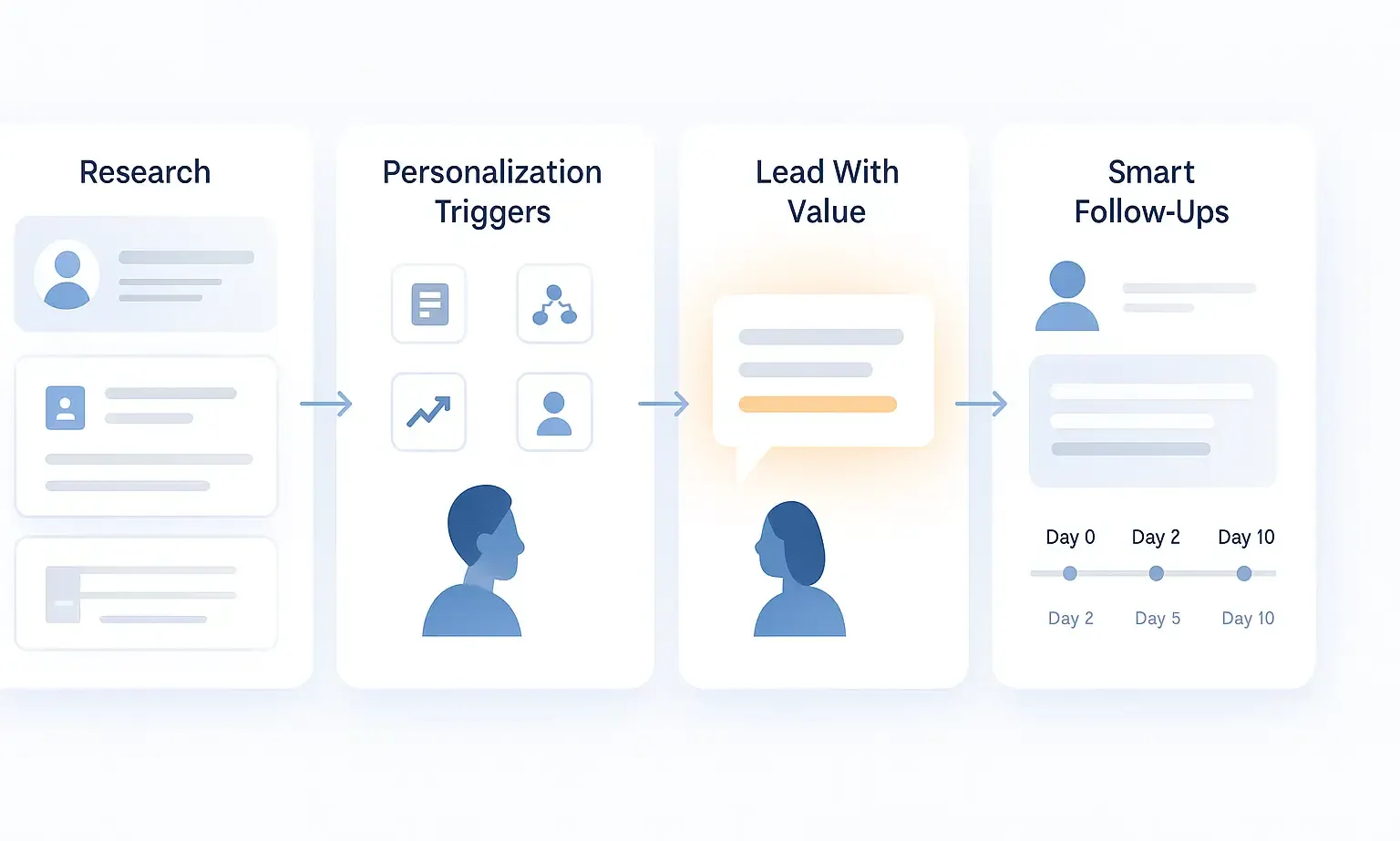
Step 1: Research Before You Reach Out
Spend 2-3 minutes researching each prospect before sending a message.
Look for:
- Recent LinkedIn posts or comments they've made
- Company news in the past 30 days
- Shared connections or groups
- Recent job changes or promotions
- Content they have published or shared
Industry data shows personalized connection requests achieve 35-55% acceptance rates versus 18-25% for generic messages. That research time pays massive dividends.
Step 2: Reference Specific Triggers
Use these personalization triggers to show genuine interest:
- Recent Content Engagement: "I noticed your recent post on sustainable marketing strategies and found your perspective on customer data very insightful."
- Shared Connections: "I see we're both connected to Sarah Chen. She mentioned you're leading the digital transformation initiative there."
- Role-Specific Challenges: "Most VPs of Sales I talk to struggle with pipeline predictability in Q4. Curious how you're approaching this."
The key is being specific. Generic compliments feel fake. Specific observations feel authentic.
Step 3: Lead With Value, Not Your Pitch
The biggest mistake in outreach is leading with what you want. Flip the script and lead with what you give.
- Poor approach:
"I'd love to tell you about our LinkedIn automation platform."
- Better approach:
"I put together a breakdown of how three SaaS companies doubled their LinkedIn response rates without Sales Navigator. Happy to send it over if relevant to your Q1 goals."
Provide value first. Demonstrate expertise through insights, not claims.
Step 4: Keep It Short and Scannable
LinkedIn users scan messages in under 10 seconds. Long paragraphs kill response rates.
Optimal message structure:
- Opening hook: 1 sentence
- Value statement: 2-3 sentences
- Call to action: 1 sentence
- Total length: 50-150 words
Use line breaks between thoughts to improve scan ability. White space is your friend.
Step 5: Time Your Follow-Ups Strategically
88% of connection acceptances happen within 7 days. If someone accepts but doesn't respond, follow up within 48 hours while you're still top of mind.
Effective follow-up structure:
- Day 0: Initial connection request
- Day 2: If accepted, send personalized thank you with value
- Day 5: If no response, follow up with specific question or resource
- Day 10: Final follow-up with different angle or case study
Data shows multi-step LinkedIn sequences improve reply rates by 22-38%. Don't give up after one message.
Industry-Specific Response Rate Benchmarks
Different industries see varying response rates based on outreach approach:
- Professional Services: 10.42% response rate
- SaaS: 4.77% response rate
- Real Estate: 6-9% response rate
- B2B Services: 7-10% response rate
Response rates triple when automation strategy aligns with industry norms. Tailor your messaging to industry expectations and pain points.
3 Proven Message Templates
Template 1: The Mutual Connection Approach
"Hi [First Name],
Looks like we both know [Mutual Connection] - small world.. They mentioned you're tackling [Specific Challenge] at [Company].
I recently helped [Similar Company] solve this exact problem. Their [Metric] improved by [Percentage] in [Timeframe].
Would a quick 15-minute chat be valuable to share what worked?"
Template 2: The Content Commentary Template
"Hi [First Name],
Your recent post about [Topic] resonated. Especially your point about [Specific Detail].
I have found [Related Insight] also plays a huge role in [Relevant Outcome]. Built a framework around it that might interest you.
Worth connecting to swap notes?"
Template 3: The Industry Insight Template
"Hi [First Name],
Noticed [Company] just [Recent Company News]. Smart move given [Industry Context].
Most companies in your space struggle with [Common Challenge] during this type of expansion. Happy to share what's working for [Similar Companies] if helpful.
Open to a brief chat?"
Need more variety? Check out our complete library of LinkedIn message templates for automation covering 15+ different scenarios.
Tools That Scale Personalization
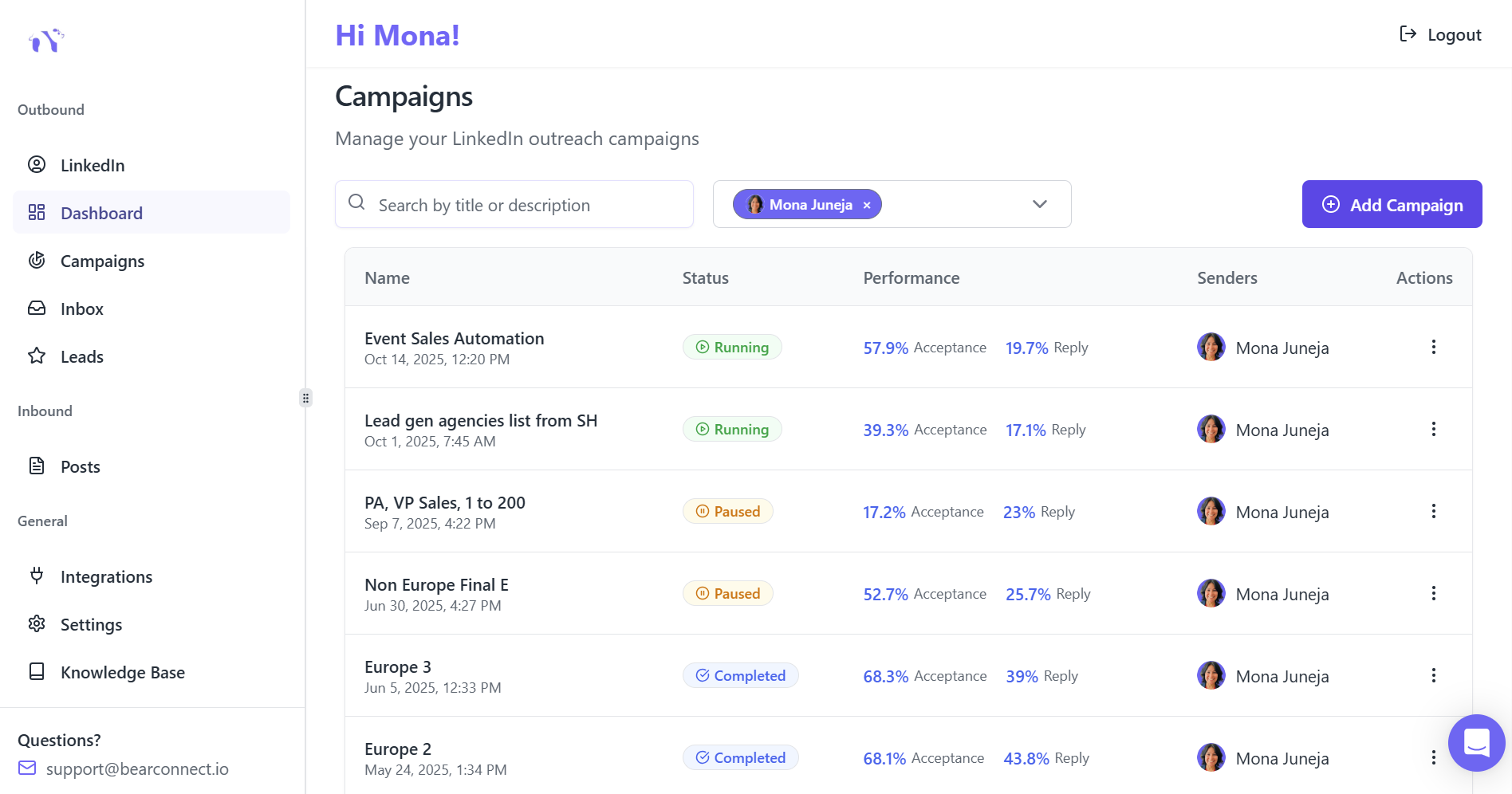
Key features to look for:
- Dynamic field insertion (name, company, recent achievement)
- Multi-step sequence builders
- A/B testing capabilities
- Response tracking and analytics
- Safety features that mimic human behavior
Bearconnect offers these capabilities with unlimited LinkedIn account management, unified inbox for tracking conversations, and built-in compliance features.
The platform automates repetitive tasks while maintaining the personal touch that drives responses.
You can manage connection requests, follow-ups, and message sequences from one dashboard without sacrificing authenticity.
Measuring Success: Metrics That Matter
Track these key metrics to optimize your outreach:
- Connection acceptance: for cold outreach typically needs to stay above 25% to remain effective.
- Reply Rate: Target 15%+ replies from accepted connections
- Meeting Booking Rate: Aim for 3-5% of connections converting to calls
- Response Length: Longer replies indicate higher engagement
- Question Reciprocity: When prospects ask questions back
If your numbers drop under the benchmark, halt the outreach and refine your messaging.
Common Mistakes That Kill Response Rates

Mistake 1: Using the Same Message for Everyone
Templates save time, but they must feel customized. Use placeholders for dynamic personalization with the best LinkedIn tools for personalized requests.
Mistake 2: Moving Too Fast with Your First Ask
Requesting a 30-minute demo in your first message feels presumptuous. Start with low-commitment asks like "worth exploring?" or "open to a quick chat?".
Mistake 3: Talking About Yourself First
Nobody cares about your company, your awards, or your features until they know you understand their problems. Lead with their world, not yours.
Mistake 4: Ignoring LinkedIn Activity Limits
Sending 100+ connection requests daily gets accounts restricted. Understanding LinkedIn automation warnings helps you stay within safe limits.
Mistake 5: No Follow-Up Strategy
63% of acceptances happen within 24 hours, but 88% happen within 7 days. Without systematic follow-ups, you're leaving responses on the table.
Your Next Steps
Start small. Test the AIDA framework on your next 10 outreach messages. Track what works and double down on those tactics.
Personalized outreach generates 35-55% acceptance rates versus 18-25% for generic messages. That difference translates directly into pipeline growth.
Ready to scale without losing authenticity?
Bearconnect automates connection requests, follow-ups, and message sequences while keeping your outreach personal.
Build real conversations that convert into booked meetings and closed deals at $67 per LinkedIn account ($57 when connecting 5+ accounts).
Start your free trial or see how it works.
Frequently Asked Questions
1. How do you write a personalized LinkedIn message without spending hours on research?
Spend 2-3 minutes per prospect checking their recent posts, company news, and mutual connections. Reference one specific detail in your message. This approach generates 35-55% acceptance rates versus 18-25% for generic messages, making the research time worthwhile.
2. What's the difference between a connection request message and a follow-up message?
Connection requests (150-200 characters) explain why connecting makes sense with no selling. Follow-up messages come after acceptance, providing value through resources or insights before eventually requesting meetings. Follow up within 48 hours while you're still top of mind.
3. How many personalized LinkedIn messages should I send per day to avoid getting flagged?
Send 20-25 personalized requests daily for established accounts. New accounts should start with 5-10 daily and scale slowly. Sending 100+ requests triggers spam detection and account restrictions. Quality beats quantity for sustainable relationship building.
4. Should I send LinkedIn messages before or after connecting with someone?
Always send a connection request with a personalized note first. Optionally engage with their posts 2-3 times before connecting to build familiarity. After they accept, send a follow-up message within 24-48 hours when 21% of acceptances occur.
5. What are the best LinkedIn message templates that actually get responses in 2025?
Use templates that reference specific prospect details: recent content they posted, mutual connections, or role-specific challenges. Keep messages under 150 words with low-commitment CTAs like "worth a brief chat?" Check proven message templates for 15+ scenarios.
Ready to Transform Your LinkedIn Strategy?
Join thousands of professionals already using Bearconnect to automate their outreach and grow their network.
7-day free trial • Cancel anytime
Related Articles
LinkedIn Outreach for Beginners: 8 Rules to Get Replies Without Getting Ignored
Get more replies on LinkedIn with proven outreach strategies. Learn 8 simple rules to write personalized messages, avoid common mistakes, and turn cold connections into real conversations and leads.
How Agencies Run LinkedIn Outreach Campaigns for 10+ Clients at Once
Learn how agencies manage LinkedIn outreach for 10+ clients with one platform, unified reporting, safer automation, and scalable campaign operations.
How to Auto Connect on LinkedIn and Book More Meetings Without Bans
Learn how to auto connect on LinkedIn safely and turn connections into booked meetings. Discover automation strategies, safe limits, and outreach tips to avoid bans.